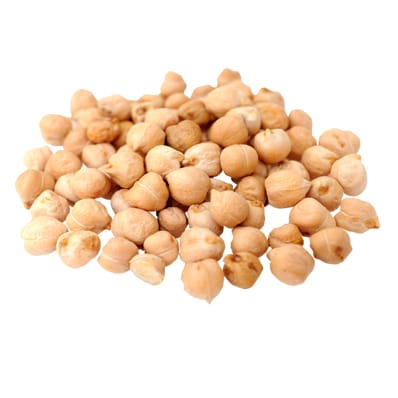
Chickpeas
Chickpea- or Turkish peas. Seeds resemble the head of a ram or an owl, they have a tuberculate-rough surface. The native land of this plant is Central Asia. Turkish peas take the third place in the world for popularity among legumes, after peas and beans.
Min. Order:
20 ton
Supply Ability:
60 ton per month
Payment:
50% prepayment,
Chickpeas, also called garbanzo beans, are one of the oldest consumed crops in the world. In fact, they have been a part of certain traditional diets for over 7,500 years, and it’s not hard to see why when you take into account the benefits of chickpeas nutrition. Today, chickpeas remain one of the most popular legumes across nearly every continent, and again, it’s not surprising why when we look at the benefits of chickpeas nutrition. Second to the soybean, the chickpea is the next most widely grown and eaten bean in the world. (1) Chickpeas are still included in the diets of some of the healthiest populations living around the globe, including those eating traditional cuisines that stem from the Middle East, the Mediterranean region and African nations too — whether we’re talking whole chickpeas or chickpea flour. First and foremost, what are chickpeas? Chickpeas are a type of legume that offer a range of health benefits. Legumes are a member of the pea family and technically a seed pod. Other common edible legumes include lentils, peas, a variety of beans, soybeans and peanuts. Why are chickpeas good for you? They help increase satiety, boost digestion, keep blood sugar levels stable, increase protection against metabolic syndrome and heart disease, and more. Chickpeas nutrition is a potent package of protein, vitamins and minerals, which is why they are often included in many healing diets, including the Ayurvedic diet and the Mediterranean diet. They are included in popular recipes found around the world, including being used as the main ingredient in hummus, which is commonly consumed almost every single day in places like Israel, Syria, Turkey, Palestine, Jordan and Egypt.
- Harvest 2018 year
- Beginning June
- to the last September
- Small 4-5 mm
- Middle 5-8 mm
- Big 8-10 mm
- Country of origin Republic of Uzbekistan
- The weight 30kg and 40kg
- Packaging Polyethylene bag