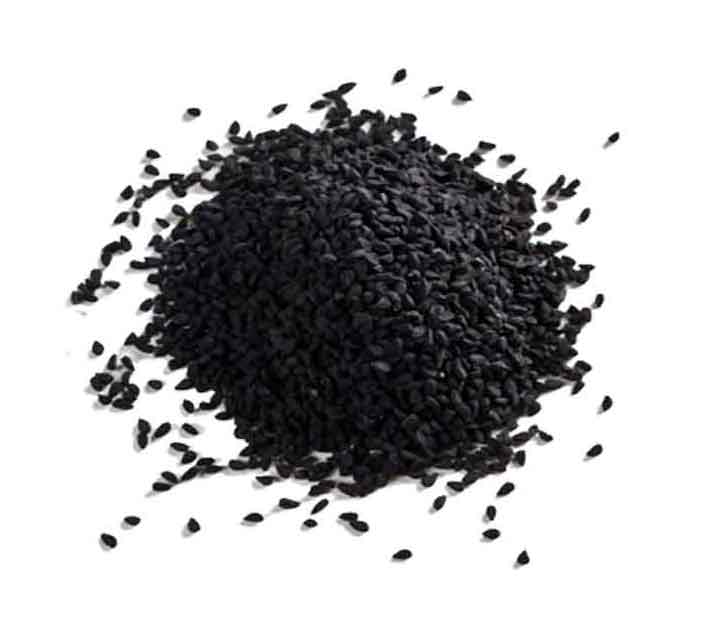
Black Cumin
Black cumin- also called black seed, black caraway, Roman coriander, kalonji, or fennel flower, annual plant of the ranunculus family (Ranunculaceae), grown for its pungent seeds, which are used as a spice and in herbal medicine. The black cumin plant is found in southwestern Asia and parts of the Mediterranean and Africa, where it has a long history of use in diverse culinary and medicinal traditions.
Min. Order:
5 ton
Supply Ability:
20 ton per month
Payment:
50% prepayment,
The seeds have an aroma similar to fennel and have a pungent flavour somewhat similar to nutmeg, though the plant is not related to either. The seeds are commonly roasted and ground as a spice and are widely used in India, the Middle East, and parts of north Africa to season curries, rice, breads, and sweet confections. Black cumin is also important in traditional medicine in many places and is an esteemed herbal remedy for a wide variety of ailments. The plant is sometimes grown as an ornamental for its attractive flowers and is closely related to love-in-a-mist (Nigella damascena), a more common ornamental. Black cumin plants are hardy annuals that grow from 20 to 60 cm (8 to 24 inches) in height. The branched stems bear fine, deeply divided leaves, and the plant has a developed taproot. The pale blue or white flowers have five petals, numerous stamens, and five or six elongated fused carpels . The black triangular or pyramidal seeds are borne in a capsule with five or six segments, each of which terminates in an elongated projection. The plants can grow in a variety of soils and readily reseed, becoming weedy in some areas.
- Harvest 2018 year
- Beginning July
- to the last October
- Small 2-2.5 mm
- Middle 2.5-3.5 mm
- Big 3.5-5 mm
- Country of origin Republic of Uzbekistan
- The weight 20kg and 30kg
- Packaging Polyethylene bag