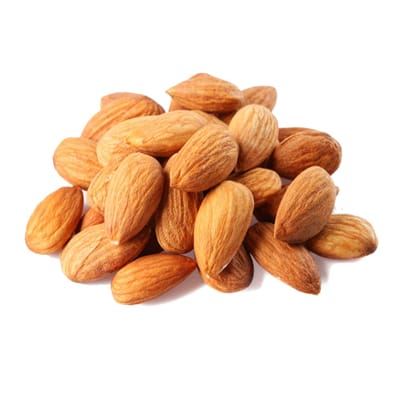
Almond
ALMOND - Almonds are often mistakenly classified as nuts, although, in fact, it is a stone fruit. In shape, the fruit is like an apricot bone. Bone ("nuts") - oval single-bark, covered with small dimples, sometimes with grooves, 2.5-3.5 cm long, weighing 1-5 g. The color is light brown.
Min. Order:
10 ton
Supply Ability:
60 ton per month
Payment:
50% prepayment,
Almond, (Prunus dulcis), tree native to southwestern Asia and its edible seed. There are two varieties, sweet almond (P. dulcis variety dulcis) and bitter almond (P. dulcis variety amara) in Uzbekistan. Sweet almonds are the familiar, edible type consumed as nuts and used in cooking or as a source of almond oil or almond meal. The oil of bitter almonds is used in the manufacture of flavouring extracts for foods and liqueurs, though prussic acid must first be removed. Almonds may be eaten raw, blanched, or roasted and are commonly used in confectionery baking. In Uzbekistan almonds are used to make marzipan, a sweet paste used in pastries and candy, and in Asia almonds are often used in meat, poultry, fish, and vegetarian dishes. While more than 25 types of almonds are grown in Uzbekistan, Marcona and Valencia almonds come from Spain, and ferragnes are imported from Uzbekistan.
- Harvest 2018 year
- Beginning July
- to the last Avgust
- Small 2-3 mm
- Middle 2.5-3.5 mm
- Big 3-4 мм
- Country of origin Republic of Uzbekistan
- The weight 10kg and 12kg
- Packaging Corrugated box